Welcome back to the RetrOasis. Today, we are unlocking the vault on an overlooked European psychological thriller that turns the human mind into the ultimate locked-room mystery.
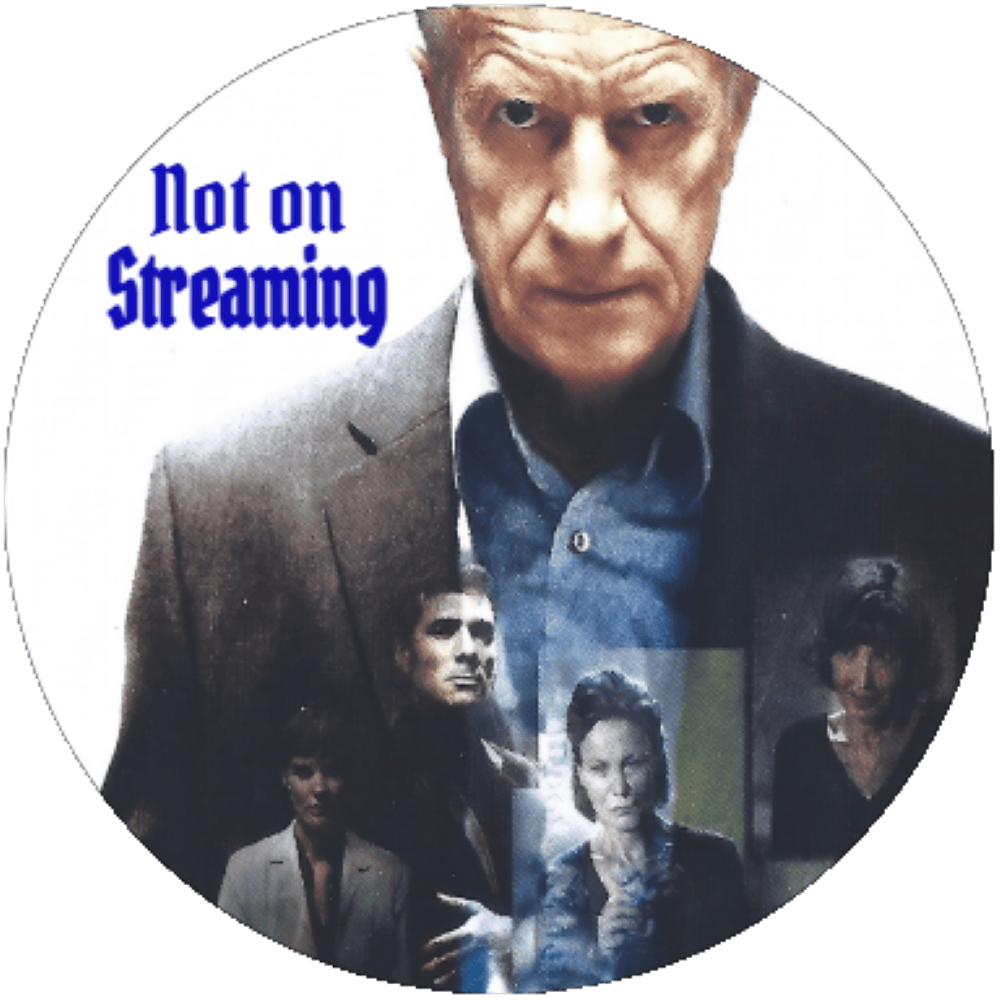
I’m talking about Nicolas Boukhrief’s 2008 French neo-noir, Cortex, starring French cinema icon André Dussollier.
Think The Father meets Memento, set inside the sterile, institutional walls of One Flew Over the Cuckoo’s Nest.
Charles Boyer (Dussollier) is a retired, decorated police commissioner who voluntarily checks into “The Residence”—a specialized clinic for cognitive decline—to spare his estranged son the agony of managing his worsening Alzheimer’s disease. Armed with a notebook to log his daily routine and anchor his failing short-term memory, Charles’s sanctuary quickly becomes a paranoid trap. When fellow patients start dying under suspicious circumstances, the ex-detective launches an off-the-books investigation from his room.
The tension never lets up because the film refuses to let you trust the lens: is a calculated serial killer preying on helpless patients, or are we watching the tragic delusions of a brilliant detective losing his grip on reality?
A Chamber Piece Polar with Pure Noir Pedigree
Director Nicolas Boukhrief (who wrote and directed the gritty 2004 heist classic Le Convoyeur, later remade by Guy Ritchie as Wrath of Man) delivers an austere, slow-burn masterclass. Operating on a lean €4.5 million budget, Boukhrief relies on fluid sequence shots and long takes rather than frenetic editing, allowing Dussollier’s mesmerizing, tightrope-walking performance to carry every ounce of dread.
The supporting cast brings serious weight:
Julien Boisselier as Charles’s conflicted son, Thomas.
Nicolas Baby, bassist for the legendary French funk-rock group FFF, providing a moody, atmospheric score.
Blockbuster Era DNA: For US physical collectors, this title largely surfaced stateside via boutique direct-to-rental pipelines, making those physical DVD cases genuine historical time capsules.
It is a slow burn that demands your full attention, keeping you guessing whether the threat is outside the door or locked in Charles’s head right up until the final, breathless frame. And what an ending!
The Missing-Streaming Reality
Despite critical acclaim for its Hitchcockian premise, Cortex has completely slipped through the cracks of the modern streaming ecosystem outside France.
Distribution Channel
Availability & Preservation Status
Global SVOD (US / Int’l)
Completely absent from major subscription platforms
Domestic VOD (France)
Sporadic regional availability
Physical Home Video
Out-of-print DVDs & Region-locked discs
Mid-2000s European genre films financed through regional broadcast presales routinely face this fate. When international rights fragment and global streamers ignore non-English catalog titles, the physical disc becomes the only bridge keeping these films from digital extinction.
The Verdict
Cortex is a razor-sharp, cerebral puzzle box that respects its audience and delivers a powerhouse performance from Dussollier. If you appreciate unreliable narrators, tight Euro-noir pacing, and psychological mind games, this is an essential watch.
Welcome back to the RetrOasis. Today, we are putting a late-era, modernized indie horror artifact onto the slab.
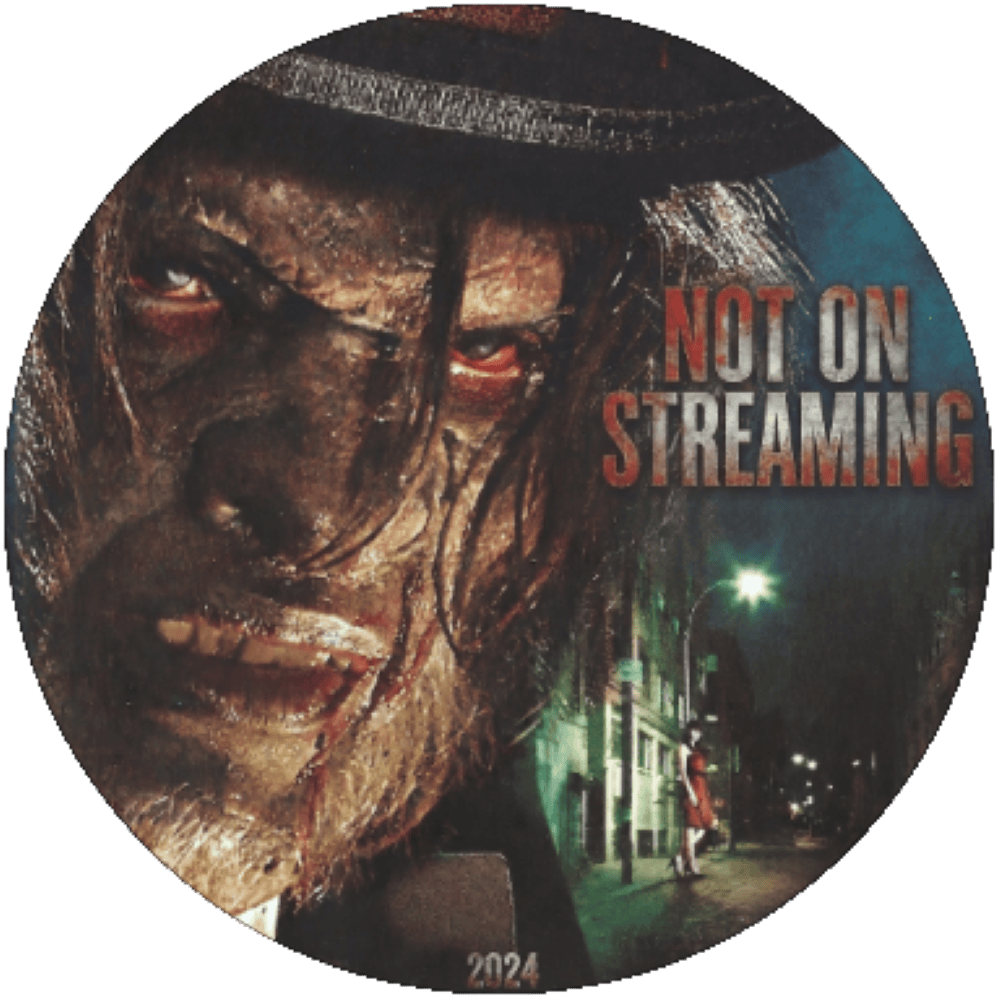
I’m talking about John Carl Buechler’s The Strange Case of Dr. Jekyll and Mr. Hyde(2006), starring the legendary Tony Todd in the dual role of Henry Jekyll and Edward Hyde.
I was genuinely excited when I realized this disc belonged in the RetrOasis vault. Stevenson’s classic 1886 novella was almost my very first public domain revitalization project. I’ve read the original story countless times and watched dozens of screen adaptations over the years. But my own creative project, “Hyde Me,” had run aground. I sat down to rewatch this 2006 vehicle to see how another creator handled the material—because if I can’t add something fresh to a 140-year-old classic, I don’t want to do it at all.
Well, after sitting through Tony Todd’s midtown L.A. rampage, I am officially ready to dive back into “Hyde Me.” Because as a filmmaker who has made bad movies, I can say this with total confidence: bad movies need to be seen, too—if only to show us what not to do!
Full Moon Pedigree and Modernized Mayhem
If the creature effects feel like a throwback to 1980s video store shelves, there’s a very specific reason for it. Director John Carl Buechler was absolute FX royalty—he was the legendary effects wizard for Charles Band’s Empire Pictures and Full Moon (Ghoulies, Troll, From Beyond), and Roger Corman himself once declared Buechler “the best FX guy in the business.”
Buechler stacked the cast with iconic B-movie faces:
Vernon Wells (The Road Warrior) showing up to add raw genre muscle.
Tracy Scoggins, who gets the absolute best line in the entire script when explaining her anti-gun stance: “A piece of his skull hit me in the eye!”
Tony Todd, whose performance swings wildly between brilliant intensity and total absurdity.
The movie abandons all subtext and mystery right out of the gate. There is zero moral ambiguity or slow-burn dread—Jekyll is violent, quip-heavy, and grotesque from scene one. By the third act, the overscripted, repetitive dialogue breaks down entirely, and the film morphs into a bizarre, 8-foot King Kong parody.
The Missing-Streaming Reality
You won’t find this modernized monster sitting comfortably on your mainstream subscription apps.
While it received a minor 30-theater regional release in Louisiana and Virginia before landing on Image Entertainment DVD in 2008, it has essentially vanished into licensing limbo. Modern streaming databases bring up empty hands. It is a textbook catalog title that existed briefly on plastic, made its money, and was abandoned by corporate digital aggregators.
The Verdict
Is it a good movie? Not by a long shot. It isn’t going to make anyone’s Top 10 list of Stevenson adaptations. But for cult collectors, Tony Todd completists, and FX historians, it is a fascinating, heavily stylized artifact of mid-2000s indie horror.
More importantly for me, it proved that the classic story still has vast, unexplored territory left to mine.
You are entirely entitled to disagree with my evaluation of this film, but you won’t find it in the streams to prove me wrong. You’ve gotta hunt down the plastic, pop in the disc, and send me an email.
Keep your physical media safe, protect your discs, and keep the history alive.
Welcome back to the RetrOasis. Today, we are putting a glossy, bruised, and deeply prophetic 1987 drama onto the slab.
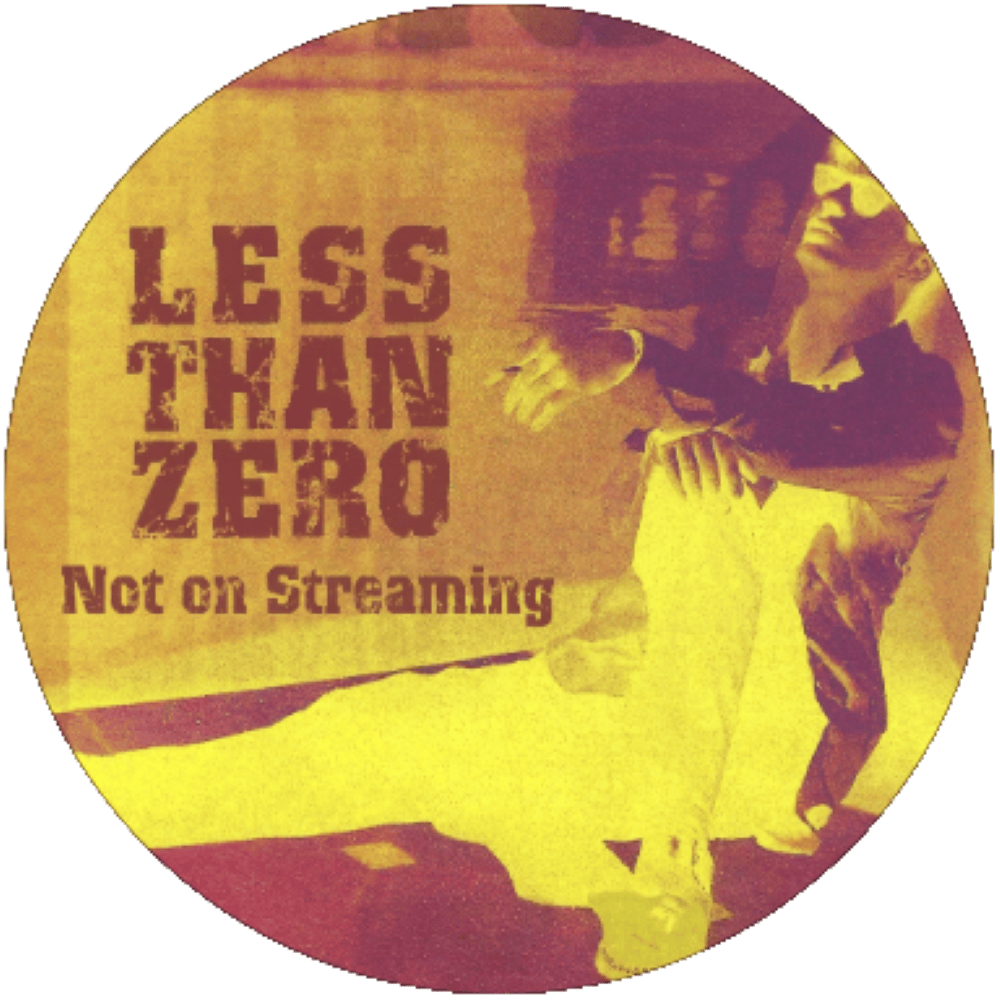
I’m talking about Marek Kanievska’s Less Than Zero(1987), loosely based on Bret Easton Ellis’s groundbreaking 1985 debut novel.
I recently pulled this out of a thrift haul, dusted off the plastic, and sat down for a rewatch. I had trouble even writing a standard review for this one because there is just so much to unpack. I saw it nearly 40 years ago when it first hit theaters, but watching it today? Mind-blowing. It doesn’t hit you over the head with cheap moralizing—it just lays out the cold, hollow wreckage of Reagan-era excess.
It was the right movie at the wrong time. A little too soon, perhaps. But decades later, its power performances push this sanitized studio adaptation into a piece of cinema that remains intensely watchable today.
A Softened Masterpiece of Excess
If you are familiar with Bret Easton Ellis (American Psycho, The Rules of Attraction), you know his world is never a bright, shiny, happy place. His 1985 novel was a famously detached, icy, and episodic look at affluent Los Angeles youth drowning in emotional emptiness.
When 20th Century Fox bought the rights, producers felt the original script draft was too “depressing and degrading” and actively softened the material to make Clay (Andrew McCarthy) a heroic rescuer rather than a passive observer. They turned it into a tragic friendship-and-redemption drama.
Yet, even watered down, the film’s core remains brutal:
The Downey Ghost: Robert Downey Jr. gives a terrifyingly raw performance as Julian, a charming kid spiraling into a $50,000 crack debt to a cold, predatory dealer named Rip (played with terrifying restraint by James Spader). Downey later admitted that playing Julian became “like the ghost of Christmas future”—a fictional addiction that he tragically came to resemble in the 1990s.
The Stylized Shell: Cinematographer Edward Lachman shot a neon-drenched, nocturnal Los Angeles that makes the party lifestyle look hypnotic on the surface, while the narrative repeatedly insists that everything beneath it is rotting.
(Side note: Could you imagine if Quentin Tarantino had followed through on the rumors of adapting or remaking this? Watching Tarantino inject his own brand of darkness into Ellis’s semi-autobiographical prose would have been something else entirely.)
The Missing-Streaming Problem: Less Than Zero, Indeed
Here is the real tragedy for a modern audience: if you want to stream this snapshot of 1980s Hollywood darkness tonight, you are completely out of luck.
A quick sweep across major U.S. tracking services like JustWatch reveals zero subscription streaming options and zero digital rental listings.
It’s an incredible paradox. This is a 20th Century Fox title (now sitting in Disney’s massive corporate library) featuring major stars, an R-rated adult profile tailor-made for Hulu, and a legendary, multi-platinum soundtrack produced by Rick Rubin (featuring The Bangles, Public Enemy, LL Cool J, Aerosmith, and Slayer).
While the complex, multi-label music clearance rights remain a highly plausible barrier to a new digital rollout, the official corporate record remains silent. Disney/Fox hasn’t offered a public explanation—the film has simply been left to drift into digital oblivion.
The Verdict
Less Than Zero has suffered the strange fate of a cult classic: remembered through Downey’s tragic brilliance, Spader’s ice-cold menace, and The Bangles’ “Hazy Shade of Winter,” while the actual movie is virtually impossible to stream legally.
It is a film about wealth, consumption, and disposability that has itself become disposable in the digital marketplace. Less than zero, indeed.
Welcome back to the RetrOasis. Today, we are laying a dark, quiet, and deeply misunderstood entry from the turn of the century onto the slab.
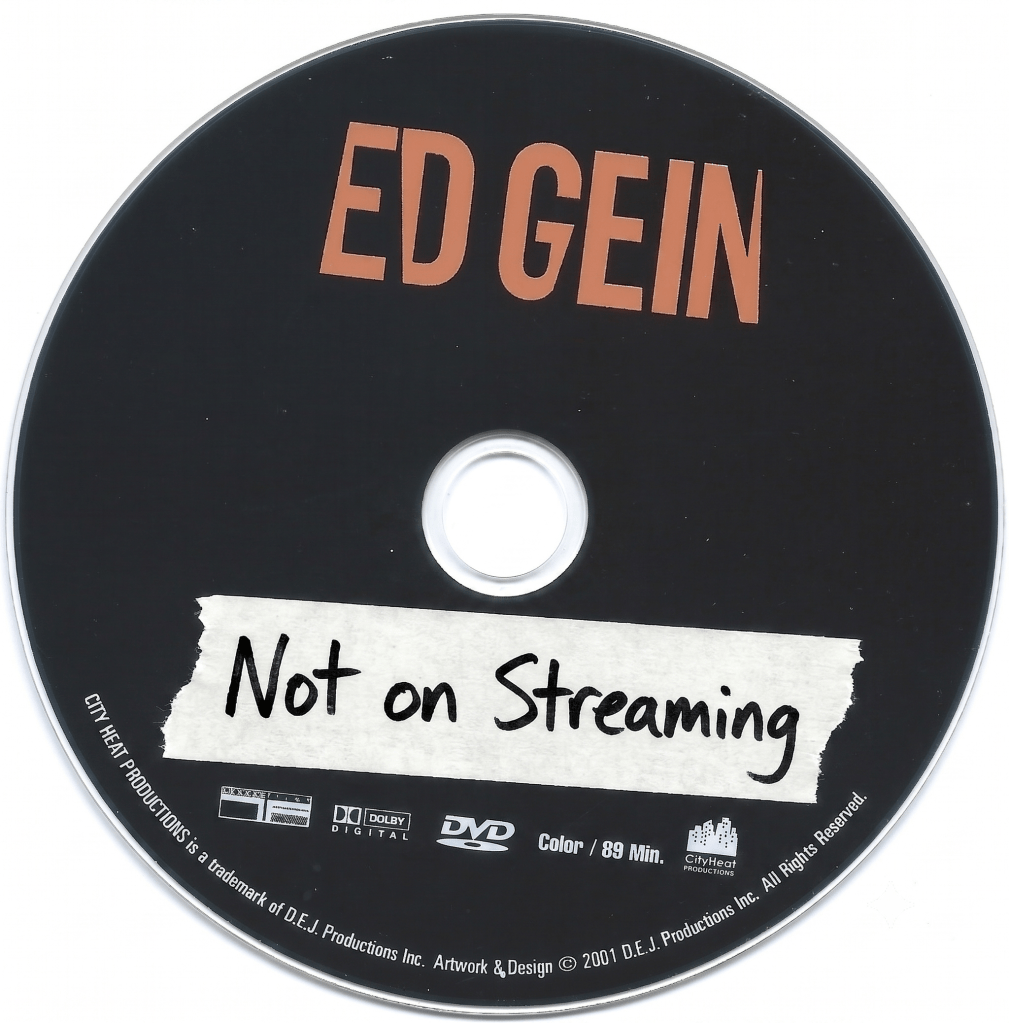
I’m talking about Chuck Parello’s Ed Gein(2000) (also released internationally under the title In the Light of the Moon).
For decades, three of my absolute favorite movies—films I have watched countless times—have dominated my personal viewing history: Alfred Hitchcock’s Psycho (1960), Tobe Hooper’s The Texas Chain Saw Massacre (1974), and Jonathan Demme’s The Silence of the Lambs (1991).
I always knew, from the very first time I sat down with them, that Norman Bates, Leatherface, and Buffalo Bill were all loosely—and sometimes directly—born from the real-life crimes of Plainfield, Wisconsin’s own Edward Gein. But for years, I actively avoided diving deep into the real-life history. The actual mud and grit felt like something best left unmined. When this 2000 indie DVD hit rental shelves, I passed it by again and again, assuming it was just another cheap, lurid gorefest trying to ride the coattails of the legends it inspired.
I was completely wrong.
The Setup: B-Movie Makeup, A+ Character Study
The film opens with a grainy, black-and-white, newsreel-style intro that immediately locks you into the bleak, isolated atmosphere of 1950s rural Wisconsin.
What makes the movie work isn’t splatter—it’s Steve Railsback.
If you’ve seen Railsback play Charles Manson in Helter Skelter (1976), you know he can chew scenery with high-voltage, manic intensity. But here, under Chuck Parello’s restrained direction, Railsback does a complete 180. He plays Gein as shy, soft-spoken, sheepish, and painfully awkward. To his neighbors, Eddie wasn’t a monster; he was just the harmless neighborhood bachelor who did odd jobs and babysat local kids.
That meekness is precisely what makes him so terrifying—and it’s why he got away with it for so long. There’s a scene where local boys drop by his house, and the town attitude is summarized in a single line: “He doesn’t mean any harm.”
Psychological Rot vs. Lurid Gore
Instead of a mindless slasher, writer Stephen Johnston and director Chuck Parello crafted a subtle, claustrophobic psychological study of maternal domination and grief.
The Augusta Factor: Carrie Snodgress gives an intensely terrifying performance as Augusta Gein. Her presence hovers over the entire film like a poison, manifesting in hallucinatory flashbacks on an old black-and-white TV set. The pig slaughter scene with Snodgress sets the tone for the religious and psychological abuse that shattered Gein’s mind.
Minimalist Disturbances: The film manages to be deeply disturbing without being exploitative. The sequence where Ed tries on prosthetic noses has a bizarre, twisted humor to it, while the moment he dances in a suit of skin is executed with a minimalist simplicity that hits harder than any $100 million CGI effect.
The Legal Mirage: The “Innocent” Cannibal
When police raided Gein’s farmhouse in November 1957, the legal system ground to a halt. Gein was initially found mentally unfit to stand trial and spent over a decade in an asylum. When he was finally tried in 1968, the judge found him guilty of murder—but immediately ruled him legally insane at the time of the crime.
In the eyes of the law, the man who inspired the greatest horrors in American cinema was technically acquitted of criminal responsibility due to insanity. He lived out his days in a mental facility until 1984.
That legal paradox makes his final line in the 2000 film an absolute, instant classic. Looking around the hospital, Eddie sheepishly observes: “Some of the people here are pretty disturbed.”
The Streaming Void: The Digital Ghost
Why is this movie a resident of the RetrOasis? Because like so many niche catalog titles, its digital existence is an unstable mess.
Depending on where you look, aggregator services give conflicting reports—Plex lists “no locations,” JustWatch often flags it as out-of-stock or rental-only, and platforms alternate between obscure streams and complete regional removal. It behaves less like a permanent catalog staple and more like a digital ghost.
Because it was marketed as a cheap gore flick rather than the dry, atmospheric character study it actually is, it never built the mainstream streaming momentum to stay permanently licensed.
The Verdict: B+
Ed Gein (2000) is a strange, quiet, and remarkably restrained curiosity. It trades sensationalism for psychological misery, anchored by a masterful, inverted performance by Steve Railsback.
If you want to see how the real-life ghost behind Psycho and The Texas Chain Saw Massacre lived before Hollywood turned his darkness into popcorn entertainment, you’ll need to dust off the physical disc player.
Keep your physical media safe, protect your discs, and keep the history alive.
Question for the comments:Ed Gein was still alive in a Wisconsin hospital when both Psycho (1960) and The Texas Chain Saw Massacre (1974) were released in theaters. Do you think he ever realized he was watching his own shattered reality on screen? Let’s talk in the comments!
Welcome back to the RetrOasis. Today, we are putting our boots on the ground of a quietly devastating 1970s cultural landmark that currently has a target on its back from the corporate streaming giants.
I’ve just finished an exhaustive three-way rewatch of Hal Ashby’s “Coming Home” (1978). I watched it on the out-of-print 2002 MGM Home Entertainment DVD (twice), and then I tracked down the elusive current stream available on Cineplex. I am going to make a definitive statement right now before I say anything else:
If you aren’t watching this on the physical disc, you are not watching the movie.
Let’s lay my cards on the table. First, I have always loved Born on the Fourth of July. I’ve seen that movie dozens of times, and I thought it was the definitive statement on the Vietnam veteran experience. After watching Coming Home three times in a single week, I’m ready to change my mind. This film is more well-rounded, the cast is legendary, and it hits on a level that is intensely, brutally real.
Second: What a soundtrack! Seriously. I’m just going to keep saying it.
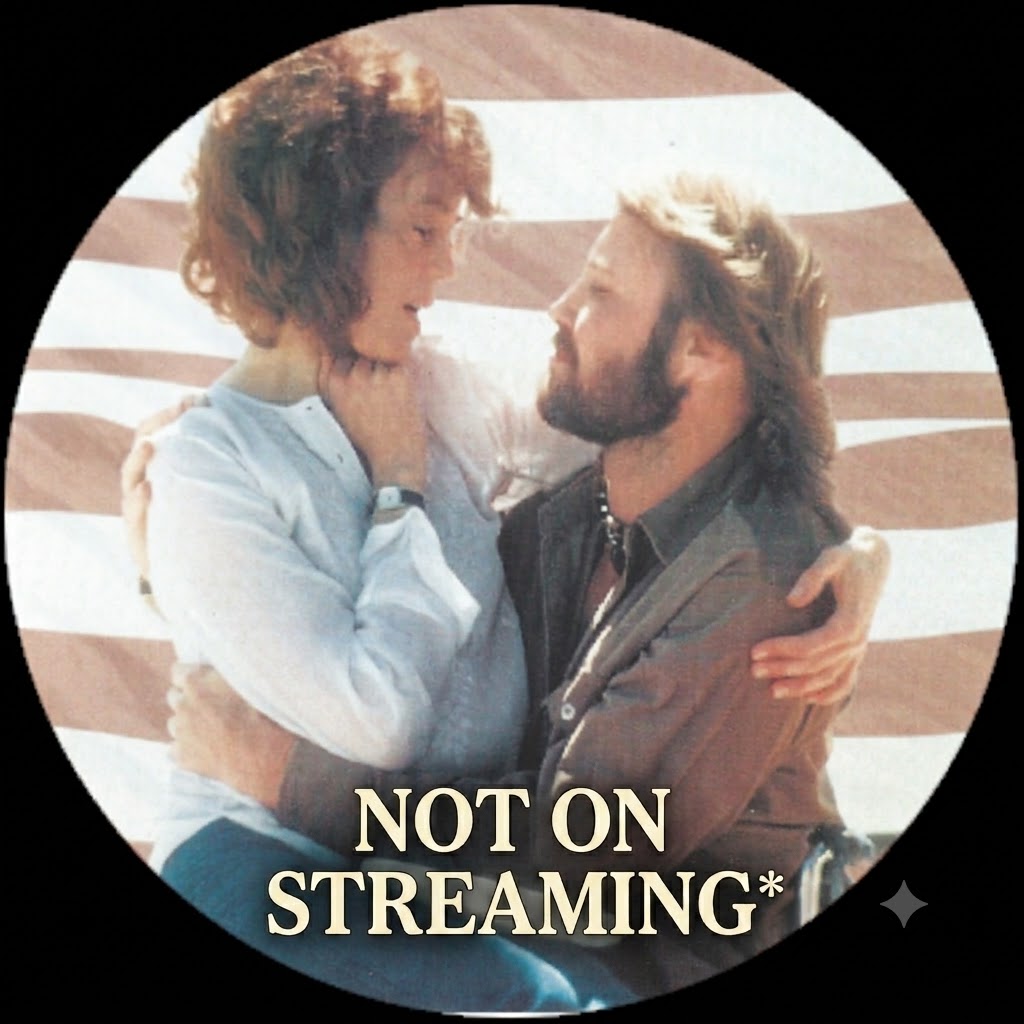
The movie is less about the battlefield than about the domestic aftershocks of the war, using the domestic landscape of 1968 California as its stage. Jane Fonda plays Sally Hyde, the conservative wife of a Marine captain, Bob (Bruce Dern). Left alone when Bob deploys, she volunteers at a VA hospital and reconnects with an old high-school classmate, Luke Martin (Jon Voight). Luke is now paralyzed from the waist down and consumed by rage and anti-war activism.
raw, real, and intense chemistry
The film jumps right into Luke’s anger with zero build-up. There’s no easy explanation or soft backstory; it is just a raw, confusing duality. He flips seamlessly from charming to hostile and angry, a stunning performance that won Jon Voight the Best Actor Oscar.
The scene where Sally and Luke meet is incredibly intense, disturbing, and humiliating for every single person in the room. Incredibly well-done and very REAL. But the magic is in the aftermath—after that first painful scene, Fonda and Voight share a tight, unspoken chemistry that is exactly the way it should be done in film. Their connection is subtle, immediate, and utterly magnetic.
The supporting cast is equally powerful. A young Robert Carradine—who we just tragically lost—looks incredibly youthful and plays a suicidal veteran whose mental scars are worse than Voight’s physical ones. And again, the movie offers no easy explanation for his trauma. Bruce Dern, long typecast as a villain, brings a damaged, confusing masculinity to his character that turns a potentially one-dimensional antagonist into a somber, mythic figure. Dern’s final interview on the DVD-only special features has a haunting quote: “I think Coming Home will live a long, long time!”
I wish I could believe that. I really do.
A very personal race
There is one specific scene that I want to talk about that hit me on a deeply personal level. When the veterans organize a rugged wheelchair football match to the sound of The Rolling Stones’ “Jumping Jack Flash,” my mind was instantly rocketed back decades.
It reminded me of the hospital bed and wheelchair races I used to organize as a kid. When I was young, I had many early “incarcerations” at a children’s hospital, spending months stuck within those walls. Like the vets in Coming Home, we tried to carve out a moment of agency. For my effort, I was rewarded by being “sentenced” to my hospital bed, forced to stay horizontal even when I was in the hospital’s classroom. No more wheelchair races after that.
Watching Voight and the other actors push themselves at maximum speed through those hospital corridors brought back those exact, visceral memories. It’s a level of authenticity that defines Hal Ashby’s entire masterpiece. It is documentary-like (a style I learned from the special features was explicitly planned in the original draft script) and it gives the whole project a beating heart.
RetrOasis Audit: Exposing the “Ghost Master” (Why the Algorithm Wants to Save a Buck)
So, why does a 3-time Academy Award winner—celebrated in film history and predating/inspiring Born on the Fourth of July—currently have a NOT AVAILABLE stamp across Google Play and most transactional platforms?
This is where the MaineMoviePirate mission really gets aggressive. I’m going to show you exactly how the corporate machine tries to mute your cultural history to protect their profit margins.
Coming Homehas one of the greatest soundtracks in the history of cinema. It is a wall-to-wall bonanza of era-defining tracks from The Beatles (“Hey Jude,” “Strawberry Fields Forever”), The Rolling Stones (“Sympathy for the Devil,” “Jumping Jack Flash”), Jefferson Airplane, Jimi Hendrix, and more.
That richness is also its curse. Digital music licensing is prohibitively expensive, legally tangled, and constantly expiring. To clear every single one of those songs for a modern streaming platform costs a fortune that no corporate entity (especially after the MGM/Amazon merger) seems interested in paying.
Step 1: The Diegetic Background Masking Loophole (A Dirty Trick)
When I watched the stream on Cineplex, I heard something weird. I conducted an exact sound-quality comparison against the original 2002 DVD:
DVD Master: The Beatles’ “Hey Jude” or Jefferson Airplane tracks are playing loudly over the scene like a featured score. They drive the emotion. It is front and center.
Streaming Master: I caught them in the act! On the stream, those exact songs were practically drowned in environmental noise. When a car drives by, you can barely hear the music playing “out a car window.” It faded in and out, not fully muted, but muffled and almost inaudible, sounding like it was from another room with the door closed.
The streaming engineers altered the audio mix levels to bury the master tracks under road noise. They use a legal dodge called “diegetic source masking,” legally arguing that the track is merely “incidental background source noise.” This allows them to pay lower-tier, cheaper licensing fees. They are literally defacing an Oscar-winning movie’s sound design to dodge paying artists full streaming royalties.
Step 2: The Orphan Void ( M.I.A. ownership)
JustWatch currently lists Coming Home as UNAVAILABLE. Google Play shows the title but labels it “not available.” transactional. Yet, a mid-tier Canadian streamer called Cineplex has it on their list. What gives?
Here is my investigation:
Corporate Chaos: United Artists (original distributor) got swallowed by MGM, which got swallowed by Amazon. The original production contracts are buried under decades of corporate mergers and bankruptcies. No single entity at Amazon/MGM has a clear incentive or authority to untangle the copyright gridlock. The movie is a high-caliber functioning corporate orphan.
The Cineplex Zombie Master: Here is the smoking gun that Cineplex is streaming a zombie master. Their current stream has NO CAPTIONS. No special features. It is a bare-bones digital file. I theorize that Cineplex bought a massive bulk-asset package (possibly from an old broadcast TV syndication catalog) and is using an ancient broadcast master that predates digital accessibility standards.
This is exactly what I was exposing with the Orphan Works project in 2015. It was a problem then, and it has only gotten worse. If you can only access this 3-time Oscar winner through an unstable digital guide or a quiet, obscure platform that probably dug up a 30-year-old broadcast tape, you do not have access to the film.
Hal Ashby’s Coming Home will not live a long, long time—not unless someone untangles those rights or unless physical media collectors continue to fight for preservation.
My final thought: popped that 2002 DVD into my player for the special features, and I sat through them all. Do not let the digital machine ghost your history. Watch this movie on plastic.What a soundtrack!
Does a film’s soundtrack truly matter if the story is powerful, or did the corporate masking of “Hey Jude” destroy the scene for you at home? Let’s fight it out in the comments!
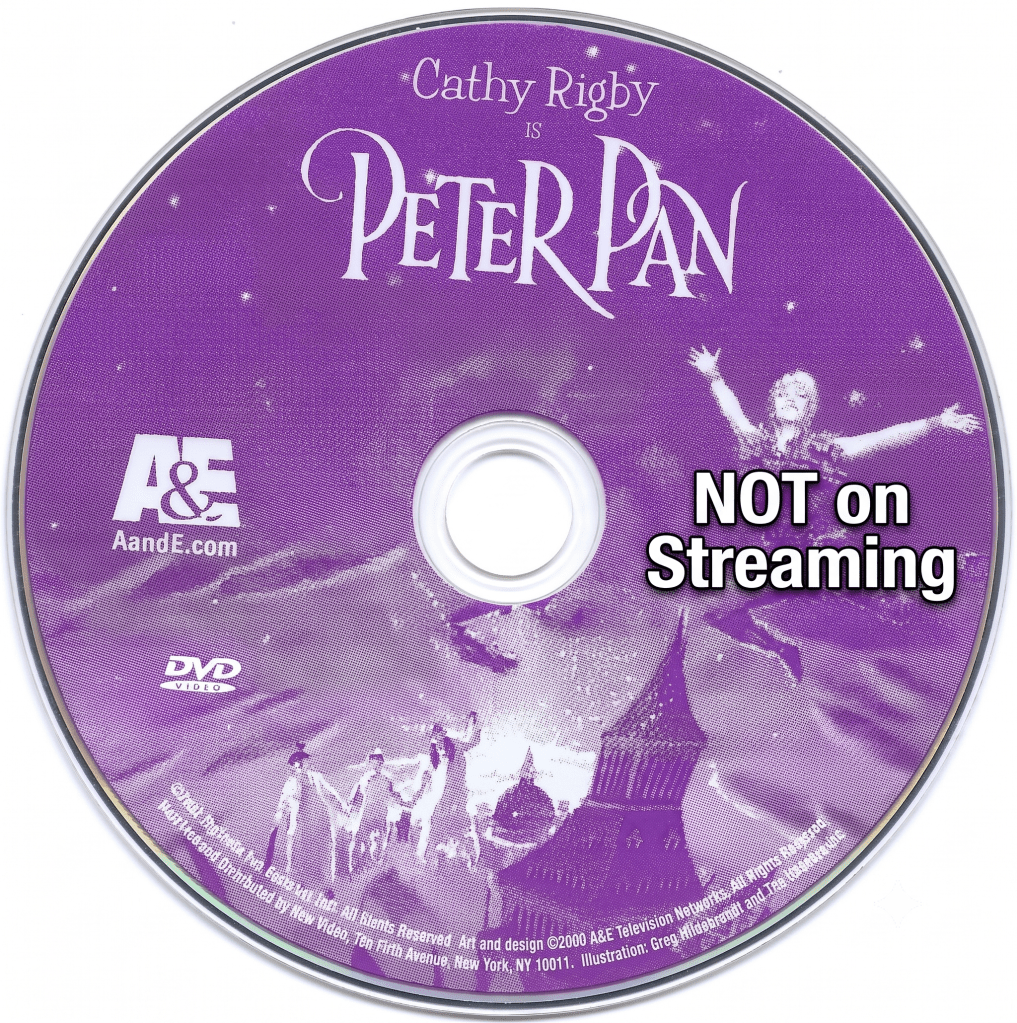
Welcome back to the RetrOasis. Today, we are boarding a pirate ship and heading straight for the second star to the right. We’re sliding a very unique, out-of-print family treasure into the player: the 2000 A&E televised musical version of “Peter Pan”, starring the legendary, Olympic-gymnast-turned-Broadway-icon Cathy Rigby.
Before we even look at the stage dirt, let’s clear up a massive piece of misinformation surrounding this specific broadcast.
If you poke around the deeper corners of the physical media community, a lot of folks assume this classic is locked in a dark room under a severe digital blackout. It makes perfect sense why people think that—the original 2002 and 2007 A&E Home Video DVD releases have been out of print for ages, and the physical discs command a pretty penny on the secondary collector market. But a quick peek into the current digital ecosystem reveals a surprise: unlike our usual absolute ghost titles, this one actually is floating around on niche, specialized theatrical apps like BroadwayHD and standard on-demand rental hubs.
But it remains a total staple of the physical media mindset. Why? Because the corporate algorithms treat filmed stage theater like total slop. They shove it into a dark corner with zero promotional push, assuming modern mainstream audiences won’t sit still for a Broadway adaptation. They’re wrong. And this disc is the ultimate proof of how spectacular a captured live performance can actually be.
The Confession: I Usually Hate Musicals
Let’s lay all the cards on the table. First, I absolutely love the entire Peter Pan universe. From J.M. Barrie’s original text to the classic 1953 Disney animation, all the way down to the various inspired offshoots—if it involves Neverland, I am usually all in.
Second confession: I completely detest most musicals. I am a movie guy. For me to suspend my disbelief and stay locked into a story, the narrative has to be incredibly riveting to stop me from rolling my eyes the second characters randomly bust out into synchronized song and dance.
That being said, I have to repeat the highest praise I can give today’s entry: this project is unbelievably well-filmed for a play.
The opening nursery scene establishes the tone perfectly. It is dynamic, vibrant, and beautifully staged. Once the kids take flight and head to Neverland, the production turns into an incredibly athletic showcase. Because of her elite gymnastics background, Cathy Rigby doesn’t just play Peter Pan—she is Peter Pan. It is a wildly physical, high-energy performance that completely resets how the character moves in a space. Her gravity-defying stunts are nothing short of spectacular.
The Good, the Singy, and the Stunning
Now, does the middle section get a little too “singy” for my personal taste? Absolutely. Once they hit the jungle floor, the musical numbers come thick and fast, and I’ll admit my mind started wandering through a good chunk of them.
But the sheer level of technical craftsmanship on display keeps pulling you back in. Director Gary Halvorson shot this at the La Mirada Theatre in California using an advanced eight-camera setup, and the team electronically erased the actual flying wires in post-production to give the home television viewer a completely seamless, magical perspective.
The Suspects: The pirates are a blast, and while Captain Hook (Paul Schoeffler) isn’t quite as menacing or terrifying as some other iterations I’ve seen over the decades, he plays the comedic, theatrical villain role with total dedication.
The Standout: Tiger Lily, the leader of the indigenous Neverland tribe, steals the entire second act. She is absolutely stunning, and her choreography is flat-out incredible.
The Home Movie Touch: If you look closely at the background cast of Lost Boys, mermaids, and animals, there’s a wonderful, cozy, home-movie-adjacent secret hidden in the credits. According to the production logs, Rigby’s own children actually populated the set—playing Nana the dog, a mermaid, and Jane!
The absolute peak of the entire show for me—and the only song-and-dance number that completely captivated my anti-musical brain—is the iconic “I Won’t Grow Up.” It hits right at the emotional, beating heart of the entire Pan mythos, summarizing the beautiful, bittersweet tragedy of childhood innocence refusing to yield to adult responsibility.
Why It Holds a Special Spot on the Shelf
The Masterclass in Filming Theater: Translating the grand, sweeping energy of a Broadway stage onto a flat, 4:3 or widescreen home television screen without it looking cheap or static is a massive logistical nightmare. This production cracks the code flawlessly.
The Ultimate Encore: Make sure you sit through the credits and watch the broadcast all the way to the very end. Cathy Rigby’s final curtain call flight is an absolute jaw-dropper that completely brings the house down.
The Verdict: If you are a die-hard lover of Peter Pan and you actually enjoy the golden age of Broadway musicals, this is a spectacular, slam-dunk A-. Even for a cynical movie pirate who prefers gritty noir to high-pitched show tunes, the old-school craftsmanship on display here makes it an incredibly watchable, nostalgic piece of early-2000s television history.
Does a filmed stage play count as real cinema, or do the footlights and theatrical makeup completely ruin the illusion for you at home? Let’s fight it out in the comments!
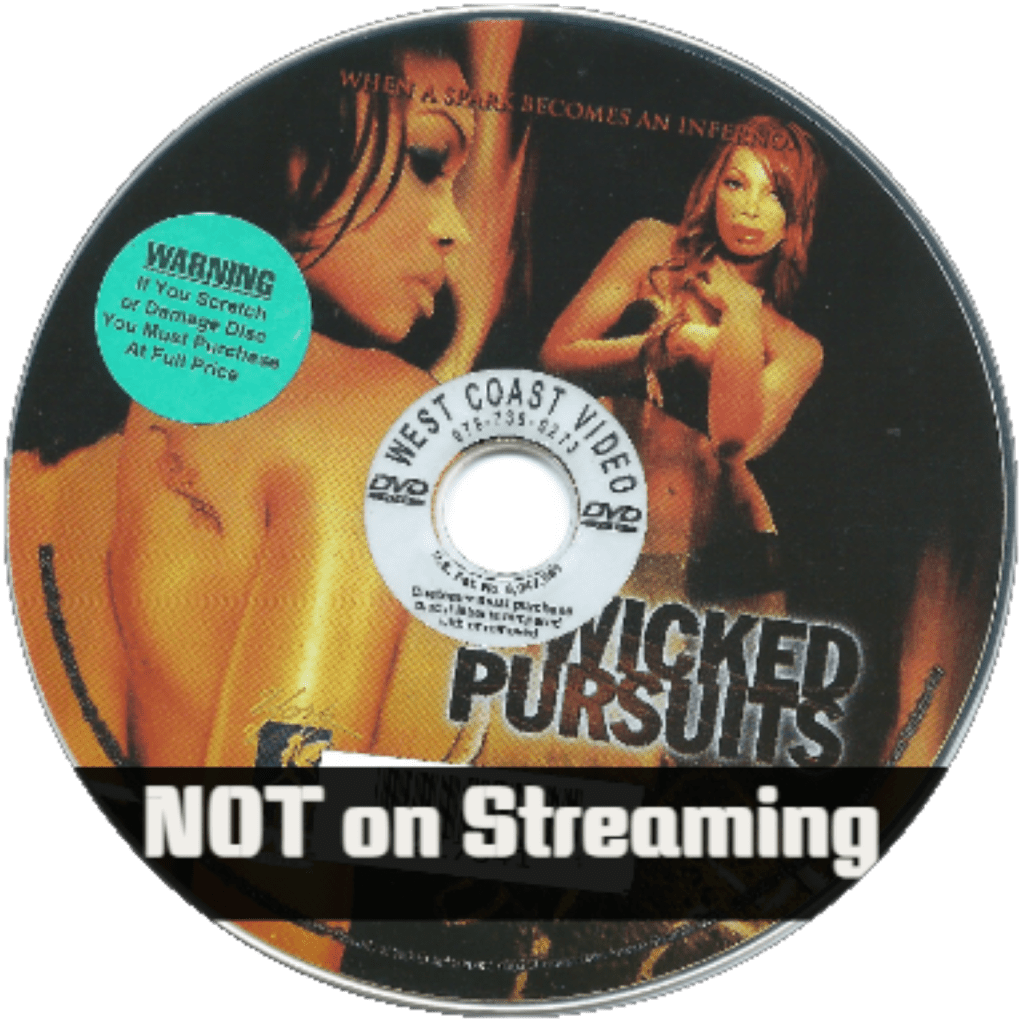
Welcome back to the RetrOasis. Today, we are digging up a completely obscure, direct-to-DVD Southern Gothic noir from 2003 called “Wicked Pursuits”.
This is a true micro-budget, DIY operation written, directed, and produced by a guy named Timothy Taylor. The internet has basically erased this movie—its digital footprint is practically zero, and its IMDb page looks like a ghost town. Needless to say, it is NOT ON STREAMING. If you want to experience this downright bizarre slice of early-2000s indie cinema, you have to go hunting for the physical plastic disc.
I’ll admit, the low-budget, gritty production quality actually adds a layer of authentic, swampy atmosphere that fits a Southern Film Noir vibe. But even after the credits rolled, I sat there completely unsure of what to think about this one. It tackles some incredibly heavy, fascinating concepts, but the execution is so uneven it’ll make your head spin.
The Setup: Murder by Antique Saber
The movie centers on a highly unorthodox premise for a 2003 thriller: an interracial, three-way polyamorous relationship. Two women—one Black, one White—are forced into an unlikely partnership after their shared male lover is brutally murdered. The weapon? An authentic, Civil War-era Confederate saber.
As the two women team up to hunt down the killer, their quest drags them through a menacing, darkly comic Southern landscape populated by corrupt cops, a dominatrix, and local Civil War re-enactors.
Right out of the gate, the movie handles something that hit close to home for me. In the beginning, we see the thruple out in public at a local bar. The patrons are completely fixated on them—some are utterly fascinated, while others are openly irate and disgusted by the three of them simply being “together” in the open.
Real Talk on the “Illusion of Power”
That bar scene is supposed to set the stage for the whodunnit aspect of the plot, pointing fingers at local bigots. But watching it really got me thinking about the psychology of the people who target others like that.
Whether it’s based on race, sexuality, physical strength, or intelligence, when people think they have the right to mistreat or judge others, they are operating on a complete illusion of power. They think they hold a position of superiority, but in reality, that toxic behavior always boils down to deep-seated personal insecurity and a severe lack of self-esteem. They have to try and shrink someone else’s world just to feel big in their own.
Great Subject Matter, Flat Execution
Wicked Pursuits had the potential to be a gripping, boundary-pushing tale of revenge, solidarity, and street justice. For 2003, dealing openly with interracial polyamory and female solidarity in a gritty thriller was a bold, ahead-of-its-time move. The subject matter practically demands a riveting, edge-of-your-seat narrative.
Instead, the film gets bogged down by its technical shortcomings. It suffers from terrible lighting, clunky pacing, and an underdeveloped script that makes the central mystery way less interesting than it should have been. Timothy Taylor wore too many hats on this one, and while you have to respect the absolute hustle of a filmmaker doing it all himself on a shoestring budget, a higher budget and a tighter script could have turned this into the cult classic it desperately wanted to be.
Why It’s a RetrOasis Resident
The Absolute Bizarre Factor: Where else are you going to find a murder mystery that loops together a Confederate saber, a dominatrix, and social satire? It’s a highly eccentric artifact of early digital filmmaking.
The No-Budget Authenticity: Using completely unknown local actors and raw, unpolished Texas/Southern locations gives it a gritty, grindhouse flavor that corporate studio movies can’t fake.
The Verdict: I give it a C-. It is deeply flawed, frustratingly slow in parts, and wildly uneven. Yet, I can’t completely write it off because the core idea is so original. It’s a fascinating glimpse into the creative risks people take when they have a single camera and a wild idea.
If you ever happen to stumble across a copy of this direct-to-DVD anomaly in a bargain bin, it’s worth a look just for the pure oddity of it all. Dust off the player, keep your physical media safe, and I’ll see you on the next hunt.
Have you ever found a movie in a bargain bin with an amazing premise that was completely sabotaged by a zero-dollar budget? Let’s talk about it in the comments!
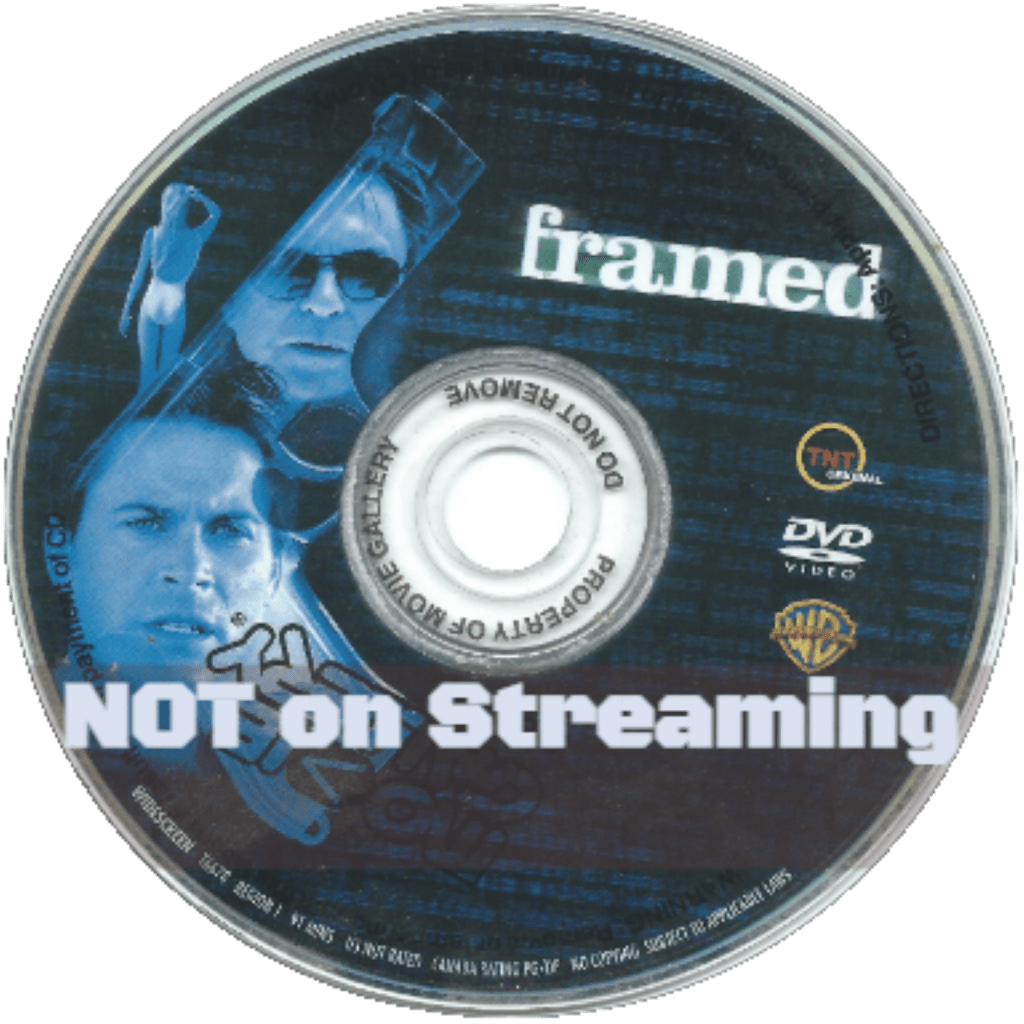
Welcome back to the RetrOasis. Today, we are cracking open a case file from the year 2002—a time when premium basic cable was the undisputed king of the mid-budget, star-studded suspense flick. We’re spinning a forgotten TNT original called “Framed”.
I’ll be honest going into this one: I half-expected a generic, paint-by-numbers procedural. But by the time the credits rolled, I was far more into this tight little thriller than I ever thought I’d be. It’s an incredibly solid, performance-driven cat-and-mouse game that absolutely deserves a bigger audience.
Yet, if you pull up your modern streaming apps and type in the title, you’re going to get a whole lot of nothing. Framed has been completely ignored by the mainstream(s). It’s a ghost in the digital machine, meaning your only ticket to this interrogation room is tracking down the physical plastic.
The Setup: What’s the Title Even Mean?
The movie kicks off on vacation, where New York detective Mike Santini—played by Rob Lowe—accidentally spots a high-profile, slippery money-laundering fugitive named Eddie Meyers, played by the brilliant Sam Neill.
Lowe plays the straight-arrow family-man cop, a role that frankly helped rescue him from a bit of career obscurity in the early 2000s thanks to TNT’s steady paycheck. Neill, on the other hand, plays an absolutely fantastic “bad guy.” His character is a master manipulator, one of those hyper-intelligent criminals who is constantly working every single person in the room.
Santini manages to pull off a big bust, but right on cue, the FBI swoops in to take over the case—just like they do in every single movie of this genre. But there’s a catch: Meyers refuses to talk to anyone except the detective who brought him in.
Tight Pacing, Sharp Dialogue, and a Clever Card Trick
Once the movie locks Lowe and Neill into a confined interrogation room, it transforms into a very odd, morally loaded buddy picture. Yes, it’s a “real talky” movie, which is almost certainly a budgetary constraint of early-2000s television filmmaking. But because the dialogue is so sharp and the performance chemistry is so electric, the tight space works to the movie’s advantage.
The Highlights: There’s an incredibly clever credit card trick used early on that really sets the tone for how smart the writing can be.
The Atmosphere: The production values are surprisingly excellent. While most TV movies look flat, director Daniel Petrie Jr. uses cinematography to make a Winnipeg-standing-in-for-New-York grid and a Bahamian vacation look genuinely expansive and polished.
The Wife: Alicia Coppola plays Santini’s fed-up wife, Lucy. She does an excellent job portraying the reality of being married to a cop who can’t leave the job at the office. Honestly? My only major complaint is that I wish she was in the movie more.
By the end of the twist-driven narrative, you’re left guessing who is truly pulling the strings, which begs the ultimate question: What is the title actually referring to? Is it Neill’s character being set up, or is Lowe’s character being drawn into a trap?
Why It’s a RetrOasis Resident
The Trivia Blackout: In a truly bizarre twist for a film starring household names like Rob Lowe and Sam Neill, the IMDb trivia section for Framed is completely empty. There is virtually zero documented behind-the-scenes lore online, adding to its deep-cut obscurity.
The Lost Identity: Because the word “Framed” has been used for about fifty different crime dramas, noirs, and TV projects over the decades, this specific 2002 gem completely slipped under the radar.
The Verdict: I give it a very enthusiastic B. It doesn’t reinvent the wheel, but it delivers exactly what a great, lean psychological thriller should. It’s a professional, well-paced, and gripping duel between two masters of their craft.
If you find a copy of this forgotten TNT original at a yard sale or a flea market, don’t hesitate. Grab it, dust off the DVD player, and enjoy a style of filmmaking that Hollywood just doesn’t make anymore.
Why do you think the major networks stopped making these smart, dialogue-heavy TV movies? Is everything forced to be an 8-part miniseries now? Let’s talk about it in the comments!
Welcome back to the RetrOasis. Today, we are strapping on our six-shooters and diving into a subgenre that I genuinely want to love: the Horror-Western.
The problem? I can’t think of a single, genuinely good one I’ve ever seen. And after spinning the rare DVD for today’s flick—2006’s “After Sundown” (sometimes mistaken as After Sunset)—I’m a little sad to report that my search for that elusive masterpiece continues.
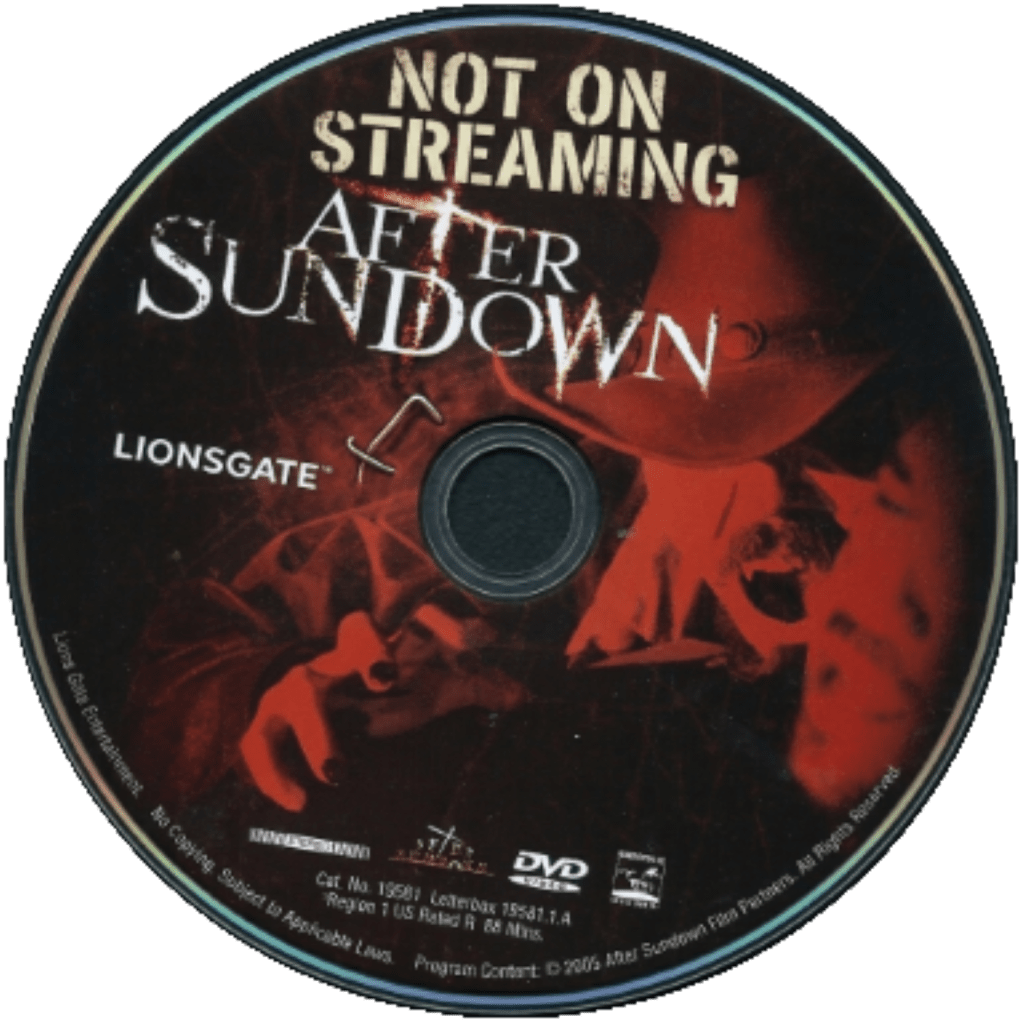
But check out that custom disc art up top. Lionsgate gave it a great domestic release back in the mid-2000s, and it looks beautiful on a physical shelf. Yet, if you peer closely at the top of that plastic, you’ll see our signature truth stamped right onto it: NOT ON STREAMING. The digital landscape has completely buried this Texas indie, making physical media the only way to ride this weird range.
The Setup: Rock Gulch, Texas meets the Undead
The premise here is wildly ambitious. It kicks off with a pure, classic 19th-century Horror-Western opening, but right after the credits roll, it yanks you into modern times. A crew is relocating an old cemetery in the town of Rock Gulch, Texas, and unearths a perfectly preserved corpse of a woman with a wooden stake through her heart.
Naturally, they pull the stake out.
She wakes up, and her resurrection signals her undead cowboy-vampire husband to come track her down. The twist? He doesn’t just drink blood—he unleashes a wave of mindless zombies to act as his personal minion army. Is it a demon movie? A vampire movie? A zombie movie? For the first half, it’s hard to tell. There’s even a hilarious low-budget car chase scene where you hear tires squealing dramatically… while the car is clearly spinning out on patches of soft lawn grass.
Eventually, a flashback sequence told through an old journal explains the rules: a cowboy vampire who can control the local zombie population. Okay, now I get it.
The $20,000 Canon Battleground
Directed by Christopher Abram and Michael W. Brown, After Sundown is a textbook definition of determined, micro-budget indie filmmaking. It was shot around Fort Worth, Texas, for a measly $20,000 using a single Canon digital video camera.
When you’re working with that kind of lunch money, things go wrong. The production faced a brutal schedule, lost locations, and actors walking off the set mid-shoot, forcing massive rewrites on the fly. Rumor has it the two directors had massive creative clashes over the tone. Co-director Brown’s version—which cut down a lot of the explicit horror elements in favor of a convoluted, action-heavy ending—is the one that officially made it onto the disc. The acting? Let’s call it a solid D-.
Why It’s a RetrOasis Resident
The Minion Mashup: While the execution is rough, fusing vampire and zombie lore into a Western siege scenario (heavily nodding to Night of the Living Dead) is a genuinely original concept.
The Bootleg Legend: Only one official cut was authorized for the Lionsgate DVD, but whispers of unauthorized, bloodier alternate cuts have circulated in deep-cut horror forums for years.
The Verdict: I always try to say something good about every movie that stops by the RetrOasis. In this department, the historical flashback scenes are actually pretty cool and hold a lot of atmospheric promise. If the writing had been tighter and the narrative more cohesive, this genuinely could have been the holy grail Horror-Western I’ve been hunting for.
Instead, it’s an ambitious, flawed, highly eccentric piece of Texas indie history. It didn’t lasso the moon, but it’s a fun, zero-budget artifact worth watching just to see an undead cowboy lead a zombie army through modern Texas. Track down the DVD, dust off the player, and see it for yourself!
Do you know of a truly great Horror-Western that I’ve missed, or is this subgenre just cursed to stay in the low-budget wilderness? Hit me up in the comments!
Welcome back to the RetrOasis. Today, we are putting a massive, clunky, 1990 experiment on the slab. A movie I walked away from completely disappointed thirty-six years ago, and after a fresh rewatch on the physical player… yep. Same reaction.
I’m talking about Roger Corman’s “Frankenstein Unbound” (1990).
Look, the graphic above tells you everything you need to know about the current digital landscape before we even dive in. That stitched-together, bloodshot eyeball represents the exact state of modern corporate cinema preservation: NOT ON STREAMING. The algorithms have completely ghosted this movie, forcing us to hunt down the physical media just to witness this beautiful disaster.
And man, it is a tragedy of squandered potential. It has so much going for it on paper. You’ve got a legendary concept based on Brian Aldiss’s brilliant 1973 sci-fi novel. You’ve got the absolute king of independent cinema, Roger Corman, returning to the director’s chair for the first time in twenty years with a rumored $1 million payday and an $11.5 million budget—a fortune for a guy who used to make movies for the price of a used sedan.
The backers probably thought they were buying a sleek, modern Hollywood studio blockbuster. Instead, Corman gave them the world’s most expensive B-movie.
The Setup: High Concept meets a Talking Laser Car
The story kicks off in the year 2031. Dr. Joe Buchanan (John Hurt) has developed an ultra-powerful, “humane” weapon that cleanly disintegrates targets. Instead of saving the world, the device weaponizes physics, fractures space-time, and creates massive “time slides.”
Before he knows it, Buchanan is pulled right back to 1817 Switzerland—along with his high-tech, talking, laser-equipped computer car.
Once he hits the 19th-century dirt, the movie goes full meta-melodrama. Buchanan runs into the actual Mary Shelley (Bridget Fonda) before she writes her masterpiece, and then bumps into the actual, living Dr. Victor Frankenstein (Raul Julia). It treats the Frankenstein story as both literary history and a living event happening simultaneously.
What Actually Works: The Monster
Let’s give credit where it’s due. The design of the Frankenstein monster in this film is absolutely spectacular. It is grotesque, creepy, and deeply accurate to the stitched-together nightmare described in Mary Shelley’s original text. It’s easily one of the best visual representations of the creature ever put on celluoid.
You also have powerhouse actors like John Hurt and Raul Julia completely chewing the period-accurate scenery. They try. They really do. But their gravity is constantly fighting a losing battle against tacky blue-screen special effects, plastic sets, and some incredibly hokey dialogue.
The Peak 90s AI Comedy Gold
Which brings me to my favorite part of the entire trainwreck. At one point, the futuristic car computer scans the gothic surroundings, analyzes the local lore, and explicitly states that Mary Shelley’s 1818 horror novel is “a story about artificial intelligence.”
You have to love it. It is such a sterile, tech-bro, Silicon Valley take on a gothic masterpiece. It completely strips away the soul, the lightning, and the graveyard dirt of the creature and replaces it with a firmware update. Honestly, that one line summarizes the entire problem with the film: it’s a weird, confused mixture of sci-fi tech and romantic literature that never quite finds its rhythm. It is interesting as a historical curiosity, but it is completely uncompelling as a narrative film.
Why It’s a RetrOasis Resident
The Final Bow: This stands as Roger Corman’s final directed feature film. While it lacks the tight, effective “schlock” energy of his 1960s Edgar Allan Poe cycle, it remains a fascinating, bizarre detour in his historic career.
The Streaming Void: As of May 2026, Frankenstein Unbound is completely AWOL on the big streaming apps. Between music clearance issues and its niche cult status, the corporate vaults have locked it away. If you want to see Raul Julia argue ethics with a creature in a waistcoat while a laser-car idles in the background, you’re hunting for the DVD or the rare laserdisc.
The Verdict: It stays a solid D+. The sheer amount of wasted potential is what kills you. Every time I watch it, I see the ghost of the classic movie it should have been.
Thirty-six years later, I still wonder if a truly captivating cinematic look at this exact “science gone wrong” mashup is in our future. Maybe we’re due for a Frankenstein Unbound II. Until then, protect your physical media, dust off your players, and keep the history alive.
Do you think Mary Shelley’s monster counts as the first warning about Artificial Intelligence, or did the car computer completely miss the point? Let’s fight it out in the comments!


 Good, Great or Excellent?